

One of the biggest questions we often ask ourselves is why our fish die when we think we're following proper care and maintenance guidelines. However, it's common to overlook small details that cause their deaths. Water quality, sudden changes, and stress are often the silent culprits.
If you want to know the main reasons why fish die and some tips for extending their lifespan, this is the post for you. In addition to the basics, you'll learn how to avoid common beginner mistakes , what parameters to measure, and what routines to implement to keep your aquarium stable and healthy.
Fish tank care
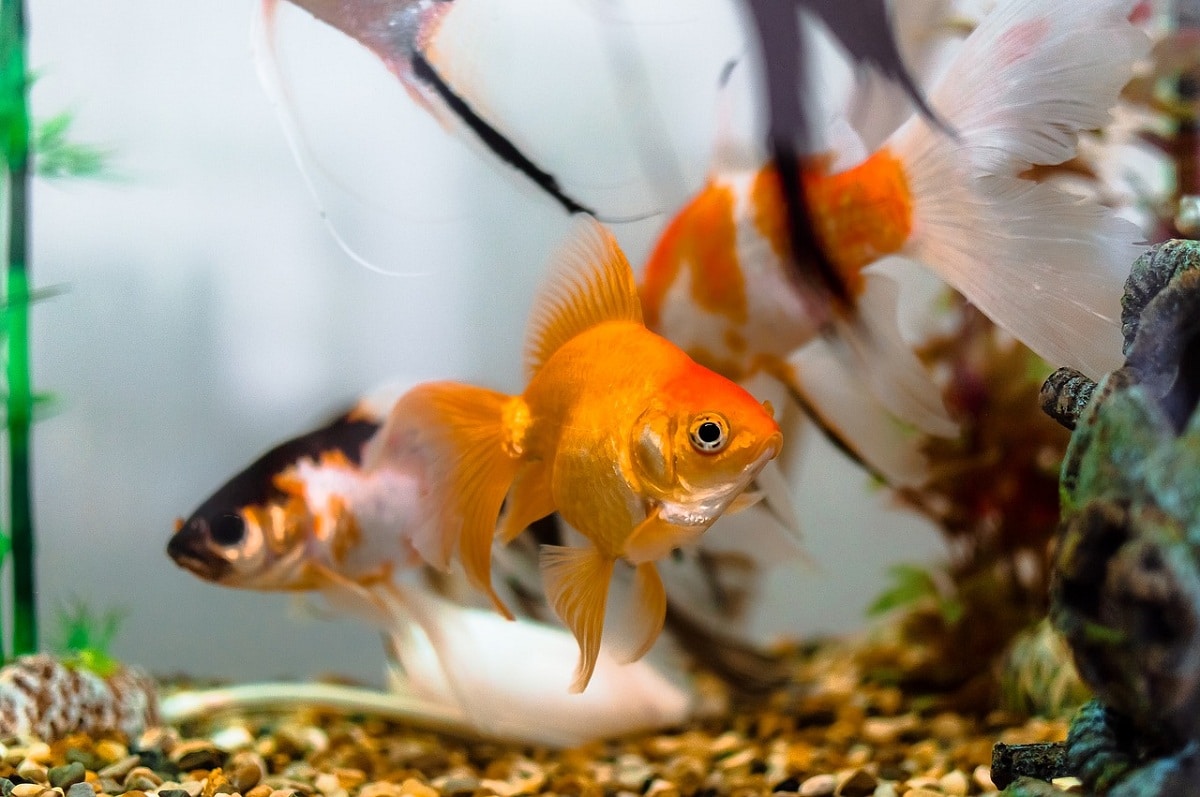
One of the main reasons is the water itself, when we clean the fish tank and remove the fish to put them in a container with tap water. Chlorine and chloramine are harmful to fish. It's recommended to mix a high percentage of the tank water with a little tap water to maintain the tank's water parameters, and even better, condition the water with dechlorinator following the manufacturer's dosage (as a guideline, some conditioners recommend 5 ml per 20 liters ).
We need to be careful with the container where we put the fish; it must be completely clean and free of bacteria that could harm them. However, if the aquarium is well maintained, it's not necessary to remove the fish to clean it, as this process can stress them and cause them to die. Whenever possible, perform cleaning with partial water changes without moving the fish.
When cleaning the aquarium components, be very careful not to use chemical products. If you do use soap, rinse them very well, although this isn't recommended; it's best to use hot water and a brush to clean all the components. Avoid disinfectants that eliminate the beneficial bacteria in the filter, as these are responsible for transforming toxic ammonia into nitrites and then into less harmful nitrates.
An overcrowded aquarium is also not recommended because it causes them too much stress . The more stressed the fish are, the greater the chances of death. We also shouldn't include fish that are incompatible with each other: they could injure each other, sometimes without being noticeable, and ultimately die. As a quick guideline, the rule of thumb is usually 1 liter of water per centimeter of adult fish , taking into account the final size of the species.
Another reason fish can die is overfeeding . We shouldn't overfeed them. Uneaten food rots, generates ammonia/nitrites, and consumes oxygen , rapidly degrading the water.

Beyond cleanliness, pay attention to the temperature and don't mix cold-water and warm-water species. Cold-water fish (up to ~20°C), such as goldfish, telescope goldfish, or shubunkins, have different needs than warm-water fish (from ~21°C), such as neon tetras, guppies , or bettas. Mixing them often causes chronic stress.
Monitor the water hardness : very hard or excessively soft water is not ideal. Use tests to check pH, GH, KH , and especially ammonia (NH3/NH4), nitrite (NO2-), and nitrate (NO3-) . Install and maintain a filter appropriate for the aquarium's volume and biological load. For small aquariums (up to approximately 55 liters), an efficient internal filter, such as a submersible filter, is a good option; for medium-sized aquariums (90-130 liters), an external filter with a larger biological media capacity improves stability.

Regarding water changes , the safest guideline is to change between 20% and 30% of the water weekly . In very stable aquariums with low fish loads and good filtration, some people reduce the frequency of changes (for example, 10% every three weeks), but monitoring nitrates is more critical. In aquariums without a filter, water changes should be done weekly . Never empty the entire aquarium except in an emergency.
Main reasons why fish die
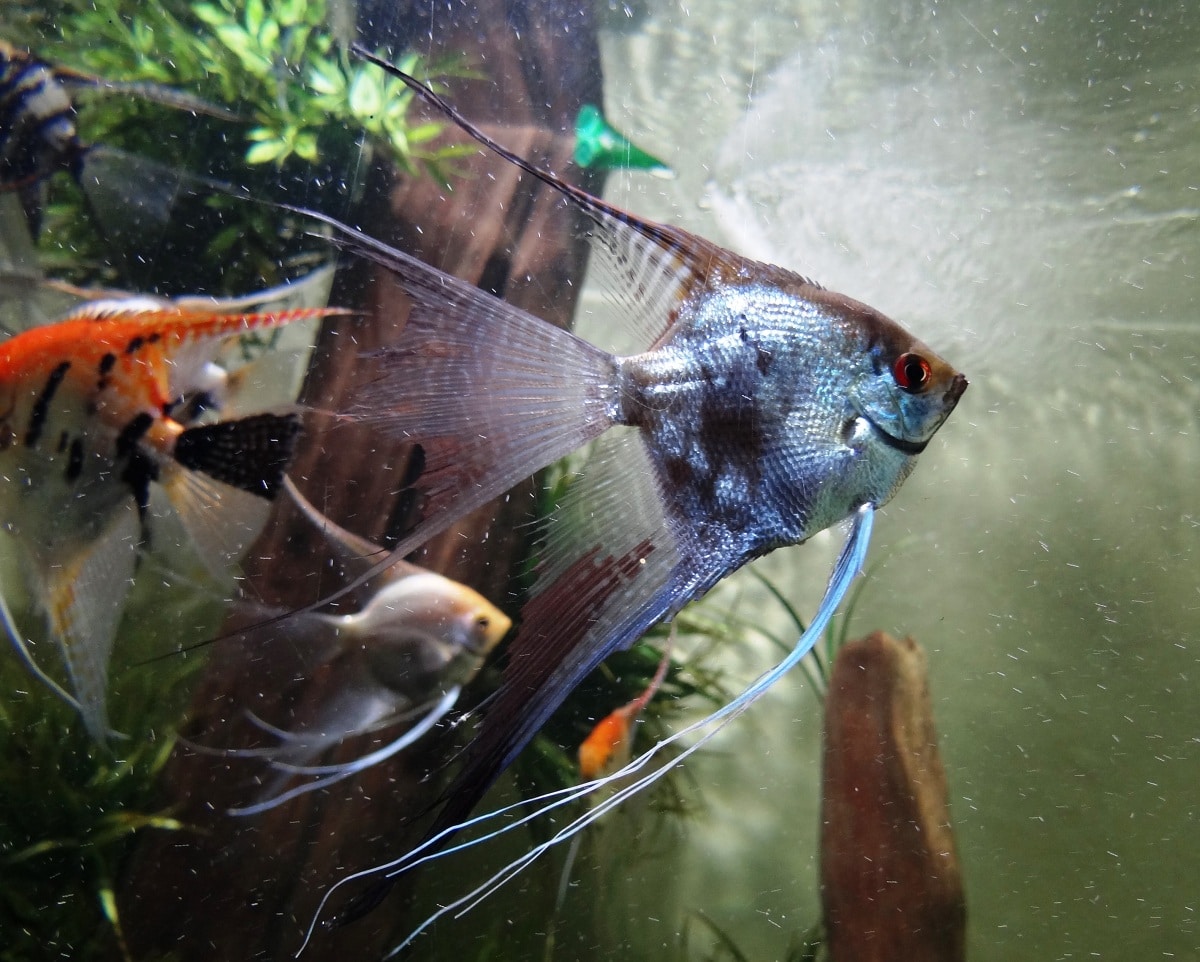
Once we've analyzed the different care requirements for maintaining good hygiene in your fish tank, let's look at the main reasons why fish die. Among the primary causes of death in aquarium fish are stress and disease . These fish are quite sensitive and often become ill due to the stress they experience. It's to be expected that, living in a confined space and constantly interacting with other species, it won't be an easy environment for them.
In nature, fish can hide, roam, join other fish, protect each other, search for food, and so on. They are constantly moving around an ecosystem that is quite large for them. However, when they are in an aquarium, their living space is much smaller. This is all exacerbated if they share this habitat with other territorial species.
The most common causes you should monitor are:
- Inadequate water qualityHigh levels of ammonia, nitrites, and nitrates damage gills and the immune system. Sudden changes in pH or temperature cause shocks which can be fatal.
- Lack of oxygenOverpopulation, poor circulation, high temperatures, and excess organic matter reduce dissolved oxygen.
- incorrect feedingOverfeeding degrades water; poor diets cause nutritional deficiencies and digestive problems.
- Stress due to incompatibility or insufficient spaceAggressive fish with peaceful ones, a mix of species with different requirements, or small aquariums.
- Diseases fungal, bacterial or parasitic infections, favored by poor water quality and stress.
- Chemicals/heavy metalsUntreated tap water or cleaners used near the aquarium.
If you're buying a fish from a store, the first thing to do is pay attention to some of the most common symptoms that indicate the fish is stressed or sick. These symptoms include the following:
- Your fish grows white dots skin.
- the fish's fins begin to stick together (clamped fins).
- The aquarium is dirty and does not maintain good hygiene conditions.
- The fish move very little.
- The fish begin to swim on your side.
- You can find the fish floating upside down.
If you see any of these symptoms, it's clear these animals are stressed or sick. You need to identify the most affected individual, or the only one affected, and quarantine it . Observe, treat if necessary, and improve the parameters of the main aquarium.
To reduce risks, cycle the aquarium before introducing fish, establishing beneficial bacteria that convert toxic waste into less harmful compounds. Provide a balanced diet : as a general guideline, offer what they can consume in less than 1 minute , 1-2 times a day, and for small groups, you can use 1-2 grams per 5 fish (adjusting according to species/size). Opt for high-quality foods and alternate between dry and fresh, for example, TetraMin Flakes and Tetra FreshDelica Artemia , along with blanched vegetables for herbivorous species.

Consider compatibility: avoid mixing bettas with other long-finned species or males of their own species; angelfish are territorial as adults and may prey on smaller fish; clownfish and other marine fish should not be mixed with freshwater fish, in addition to their behavioral differences. Even among peaceful fish, there are differences in eating habits : telescope goldfish eat slowly, while goldfish eat very quickly and can leave the slower fish without food.
Strange behaviors of fish
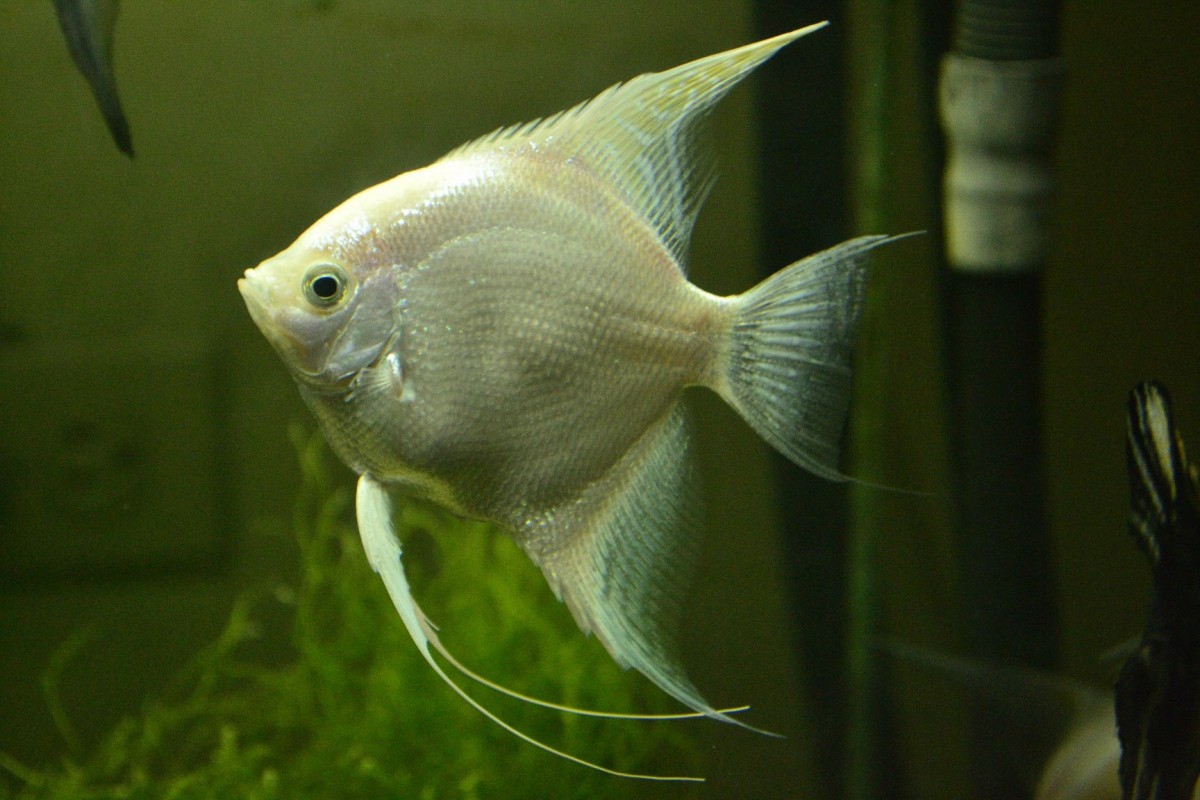
Another key indicator of whether fish are sick or stressed is the frequency of collisions between them. If there is a large number of fish in the aquarium, they are more likely to collide with each other due to the high concentration. This increases their stress levels, leading to more frequent collisions and potentially causing injury.
This indicates that the aquarium may not be large enough or that you have more fish than you can comfortably house . As mentioned before, be very careful with water cleaning and water changes. When you change the aquarium water, the fish tend to crowd together in buckets or in a very small space. Avoid letting this situation last too long, as the clashes between the fish and the resulting stress can encourage the development of certain diseases.
Some are very sensitive. Although they are quite striking animals, they are often sensitive to environmental changes . You've probably seen signs in pet stores that say "do not tap the glass" or "do not use flash photography." You should follow the same rules in your home aquarium. They are sensitive and skittish animals; tapping the glass or making loud noises is not good for their health . At night, turn off the lights: fish don't close their eyes, but they do rest and need a stable photoperiod.
Other warning signs include continuous surface gasping (possibly due to hypoxia or high nitrites), erratic swimming , rubbing against objects ("flashing"), folded fins, and loss of appetite. If surface gasping is observed in an aquarium of, for example, 60 liters with weekly 30% water changes, immediately check ammonia and nitrite levels; increase aeration (direct the filter outlet to agitate the surface or add an air pump), reduce feeding, and perform a 20-30% water change with conditioned water at the same temperature. Ensure the filter is functioning correctly and avoid excessive cleaning of the biological media.

Remember that lifespan and growth depend on habitat . In spacious, stable environments, fish live longer and grow better; in small, overcrowded aquariums, their development and longevity are reduced. Provide hiding places (live plants, caves, driftwood) to minimize stress.
Tips to extend the life of the fish
We're going to give you some tips to help your fish live longer :
- Handle the fish gently. When you need to change the water in the fish tank, try to keep this time as short as possible.
- If you have new fish, don't introduce them all at once.Acclimate: Float the bag for a few minutes to equalize the temperature and gradually add aquarium water to the bag (for example, three times at five-minute intervals) before releasing them. quarantine Previewing is highly recommended.
- If you usually have visitors at your house, it's best to avoid hitting the glass from the aquarium or make too much noise.
- Not recommended overfeeding them because the ammonia level increases and more bacteria appear in the water. Let them eat everything in less than 1 minute1-2 times a day. If you've used too much, remove the excess with a net.
- It is not recommended to keep incompatible fish together within the same aquarium. It's important to know the behavior of each species: avoid bettas with long-finned fish, don't mix cold-water fish with warm-water fish, and watch out for the aggression of territorial species like angelfish as they grow.
- It's interesting to see all the water and temperature specificationsConsider the amount of radiation, oxygen level, etc., that the fish you're going to introduce into the aquarium need. Keep the pH stable and monitor GH/KH.
- To decorate the aquarium, Invest in quality and safety: avoid sharp objects or unsuitable paints.
- Cycle the aquarium Before adding fish, do not over-clean the filter. Bacteria are lifeThey process ammonia and nitrites. Avoid using distilled water as the sole source; it provides minerals according to the species.
- Regular water changes: in general, 20-30% weekly with water air-conditioned The temperature is already the same. In very stable aquariums, it can be reduced, but this requires strict nitrate controls.
- Conditions tap waterUse antichlorine/antichloramine. As an example of typical dosage, 5 ml per 20 Lalways following the product label.
- Improves oxygenation and circulation: direct the filter outlet to move the surface; add an aerator if there is overpopulation, heat or a high organic load.
- Filtered according to Regarding volume: in small tanks, an internal submersible filter is effective; in medium-sized tanks, an external filter with a good biological load provides flexibility and stability. Adjust the flow rate to avoid stressing slow-swimming species.
- Lighting with stable photoperiodDaylight, darkness at night; they also need rest.
- Varied diet and of good quality: alternate flakes/pellets with frozen foods or gels (for example, TetraMin Flakes o Tetra FreshDelica Artemiaand adjust the rations to the species. A useful trick is to use the eye measurement of the fish as an approximate reference per shot.
- Monitor The aquarium: observe the behavior daily; at the first sign of illness, act quickly and consider hospital/quarantine.
- Remove a dead fish immediatelyAvoid ammonia spikes from decomposition; dispose of it according to local regulations.

To fine-tune your tank even further, research tail and swimming style compatibility : double-tailed fish like telescopes swim more slowly and can become stressed with very active single-tailed tankmates ( comets , common carp). Also, avoid mixing species with very different feeding habits if you can't supervise that they all eat.
If you're looking for specific filtration recommendations, submersible internal filters work well in small aquariums (up to approximately 55 L) due to their ease of use and maintenance. In aquariums of 90-130 L, an external filter with a larger volume of biological media is an excellent option for maintaining more stable water quality. Make sure to size the flow rate so that the water passes through the media with adequate contact time.
Finally, remember that sudden changes are detrimental to the aquarium. Get into the habit of routinely testing the water (NH3/NH4, NO2, NO3, pH, temperature), recording the values, and making gradual adjustments . Include live plants if possible: in addition to providing shelter, they help stabilize nitrates and improve oxygenation during the photoperiod.
Caring for fish is simple when you understand that an aquarium is an ecosystem : stability, compatibility, and predictable routines are key. If you reduce stress, maintain proper water parameters, feed moderately, and choose appropriate filtration, your fish will live longer and healthier lives.

Table of Contents