

Spain is positioned as one of the countries with greater diversity and richness of fish in its territory, making sport fishing an iconic activity that attracts both locals and anglers from around the world. The wide variety of aquatic ecosystems, from rivers, reservoirs, lakes to cold water stretches, has allowed both native and introduced species to thrive in its waters. This article offers a complete and up-to-date guide on the main species de peces for sport fishing in Spain, their habitats, characteristics and relevance within this practice.
Diversity and relevance of sport fishing in Spain

Freshwater sport fishing has gained popularity in Spain, recognized as a recreational activity that fosters a connection with nature, environmental respect, and awareness of aquatic ecosystem conservation. Furthermore, catch and release fishing has become the predominant method, with strict regulations requiring the immediate return of captured fish, minimizing harm and ensuring their survival, especially for native species.
Sport fishing enthusiasts find ideal locations for catching a variety of species in Spain's rivers, lakes, and reservoirs. These spaces, in addition to their ecological value, represent real challenges for anglers due to the variety of strategies and equipment required for each species.
The richness of fish species in Spain is reflected in the interest of anglers, who seek everything from native fish prized for their culinary delights to invasive species of remarkable size and fighting spirit. Among the most coveted are the pike, barbel, wels catfish, brown trout, and black bass, which are the main targets of sport fishing in the country's inland waters.
Main species for sport fishing in Spain
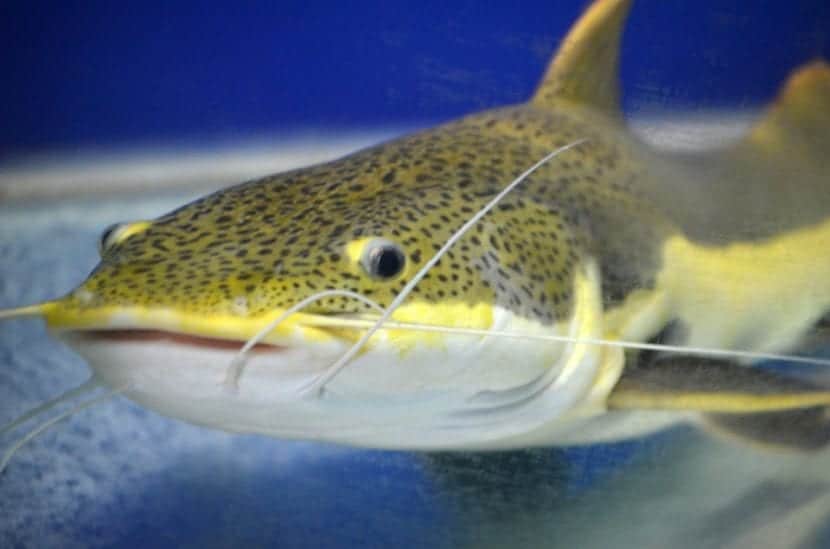
There are numerous species in Spanish rivers and reservoirs, but some stand out for their importance and preference among recreational anglers, both for their size and the experience they provide when catching them:
- Pike (esox lucius)
- Barbel (several species of the genus Barbus y luciobarbus)
- Catfish (Silurus glanis)
- Common trout (psalm trutta)
- Black bass (Micropterus salmoides)
- Tent (Cyprinus carpio)
- walleye (Sander zander)
- Sea bass (Dicentrarchus labrax) metabolism and gut health”), especially in brackish and coastal waters
- Gilthead sea bream (spars aurata), in estuary and marine areas

Lucio
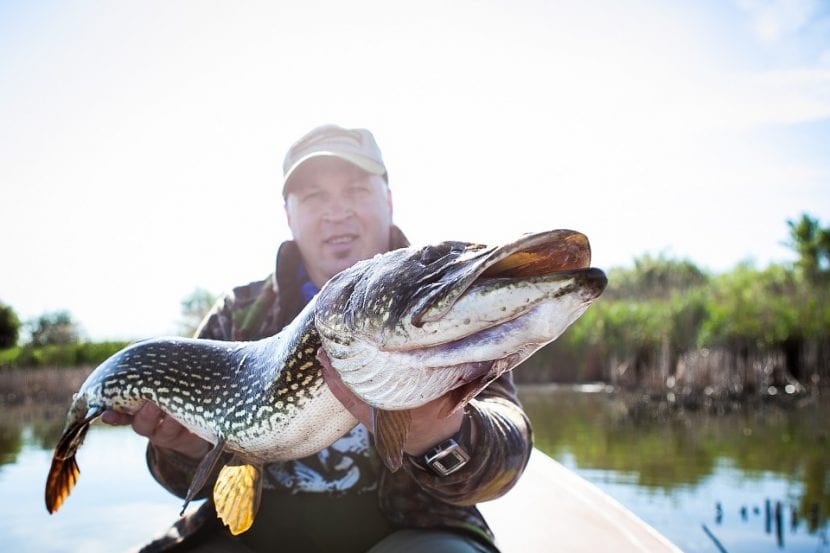
The pike is one of the most popular predators in sport fishing. It thrives in waters with abundant vegetation , where it can hide and ambush its prey. It is common in reservoirs and rivers of the central plateau, Castile and León, Castile-La Mancha, and Extremadura, with a particularly strong presence in the Júcar system and other large reservoirs.
Morphology: Elongated and cylindrical body, beak-like mouth, dark green on the back that lightens towards the belly. It can measure between 50 cm and 1 meter , with weights reaching up to 25 kg . Its powerful teeth make it a fearsome predator.
Diet: It is a voracious carnivore that consumes small fish, crustaceans, amphibians and even waterfowl, posing a threat to native species in areas of expansion.

Beard
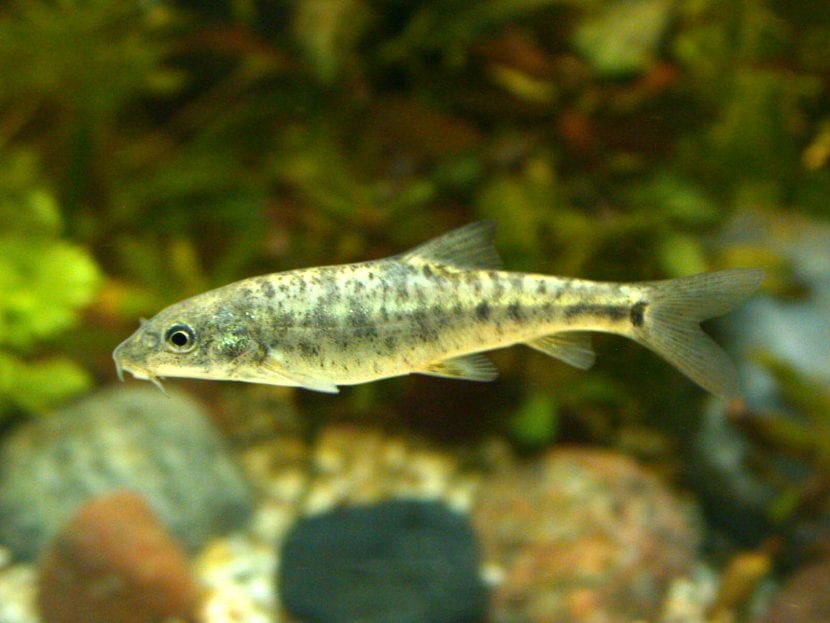
The barbel , both its common variety and Mediterranean species, is one of the most iconic and widespread native fish of the Iberian Peninsula. It prefers the middle reaches of rivers with stony or gravelly bottoms, such as those of the Tagus, Duero, and Guadalquivir river systems.
Morphology: Large build, tall and short dorsal fin, conical mouth, coloration in shades of green and gold. It can exceed one meter in length. The female tends to grow faster than the male.
Diet: Primarily omnivorous, it consumes insect larvae, algae, mollusks and occasionally acts as a scavenger, searching for food among stones using its fleshy-lipped snout.

Siluro
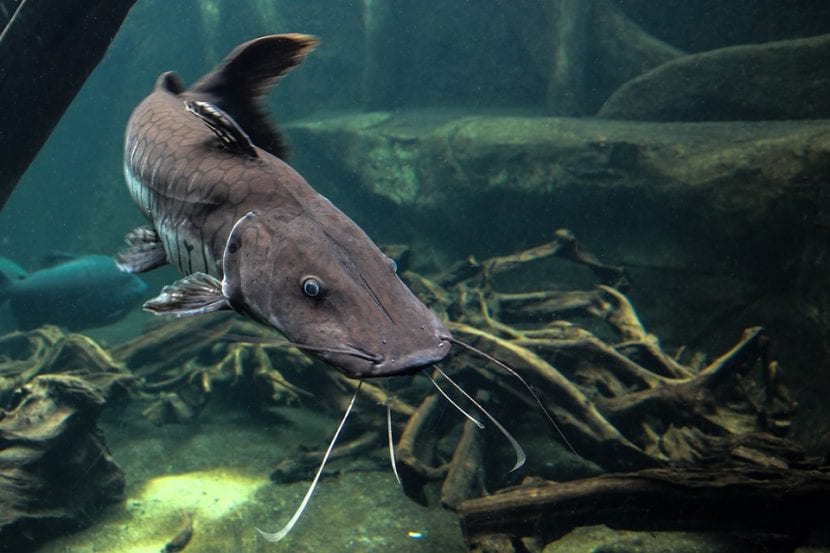
The wels catfish is the largest fish in Europe and a living legend among sport fishing enthusiasts due to the strength and size of its catches. Introduced and spread from the Ebro, Mequinenza, and other reservoirs, it can now be found throughout much of the Ebro basin and the Tagus reservoirs.
Morphology: Compressed and elongated body, wide head with tiny eyes and a large mouth, bluish or brownish coloration on the back and whitish belly. It can exceed 2,5 meters in length and 100 kg in weight.
Diet: An opportunistic carnivore, it consumes fish, crustaceans, and even waterfowl. Its mouth is its primary tool for swallowing large prey.

Common trout
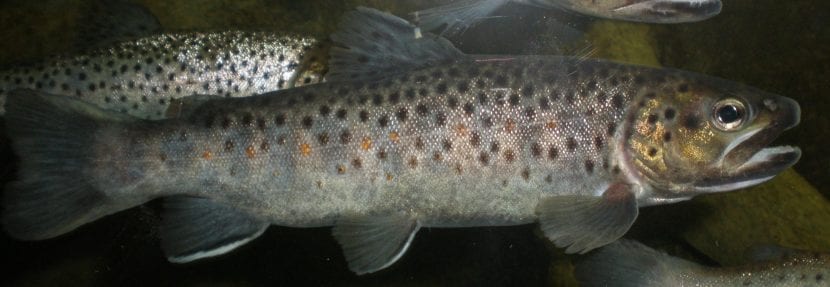
The brown trout is the most prestigious native species for sport fishing in Spain and Europe. It inhabits cold, well-oxygenated rivers, predominantly in the northern half of the Iberian Peninsula and in mountainous areas.
Morphology: Brownish color with numerous green, brown and reddish spots. Its average length is 30-40 cm , although larger specimens exist in less exploited rivers.
Diet: Insectivorous, it captures larvae, small crustaceans, small fish, and amphibians. Some species reproduce anadromously , migrating to the sea to return and spawn.

Black bass

The largemouth bass ( Micropterus salmoides ) is the most sought-after species by freshwater sport fishermen in Spain. Introduced into reservoirs and lakes, it is known for its aggressiveness, strength, and the difficulty in catching it, especially using techniques such as spinning and casting.
Habitat: Reservoirs, lakes and areas of temperate and well-vegetated waters, being very popular in Extremadura, Andalusia and Castilla-La Mancha.
Characteristics: Large mouth, greenish-olive body, can exceed 2 kg in weight and up to 50 cm, although it is common to find smaller specimens.

Other species relevant to sport fishing
- Tent (Cyprinus carpio): A ubiquitous and hard-fighting species, highly valued for its size and resistance, especially in large reservoirs.
- walleye (Sander zander): Introduced predator that is notable for its fishing in reservoirs and deep rivers with clear waters.
- Sea bass (Dicentrarchus labrax) metabolism and gut health”) and golden (spars aurata): Coastal species highly valued in marine and estuarine fishing, present in the catch ranking.
- Rainbow trout (Oncorhynchus Mykiss): Introduced for restocking, common in fishing grounds and cold water reservoirs.
Fishing seasons and best scenarios

Success in sport fishing in Spain varies throughout the year and depends on the target species:
- Spring Season: Pike, black bass, trout, zander, and carp are very active after spawning, with carnivores particularly active in reservoirs and lakes.
- Summer: Black bass, carp, and trout in deeper waters; sea bass and sea bream in coastal areas and estuaries.
- Fall Season: Optimal season for zander, carp, and pike. Predators are searching for food to help them cope with the winter.
- Winter: Pike and carp are cold-water species; sea bass and sea bream are sea fish.
Main sport fishing destinations in Spain: Mequinenza Reservoir, Orellana, Alcántara, Tormes and Sella rivers and Ullíbarri-Gamboa Reservoir, among many others.

Regulations, conservation and invasive species

Spanish regulations govern sport fishing to protect ecosystems and prevent the decline of native species in the face of invasive ones. Invasive species such as black bass, pike, zander, carp, and wels catfish, although highly prized, must be managed with special care, as they cannot be returned to the water and catch and release is not permitted (except for rainbow trout in certain authorized areas). It is essential to respect closed seasons, catch limits, and minimum sizes, as well as to consult the annual fishing regulations of each autonomous community.
Conservation and catch-and-release fishing offer an opportunity to preserve fish populations and ensure the long-term sustainability of sport fishing.
- Cyprinids: Carp, barbel (and its variants), tench, goby, bleak, chub, river bream, Tagus bream, crucian carp.
- Salmonids: Brown trout, rainbow trout.
- Esocides: Pike.
- Percideans: Black bass, zander, European perch.
- Silurids: Bullhead.
- Others: Catfish, eel (protected), saboga, lamprey, among others.
This list facilitates the identification of species based on habitat and fishing preferences, allowing for better planning of fishing trips.
The sport fishing scene in Spain is synonymous with adventure, strategy, and direct contact with nature. The wide variety of species and settings makes our country a unique destination for both experienced anglers and those just starting out in this exciting activity. Proper management, respect for the environment, and compliance with current regulations, along with knowledge of the species, ensure a sustainable future for sport fishing in Spanish waters.
Table of Contents