

When starting out in the world of aquariums, we must know that there are both freshwater and saltwater fish. Both types de peces They can be kept perfectly well in aquariums. However, It is necessary to know the basic requirements To have each type of aquarium, there are details and requirements that must be met so that the animals we introduce into the aquarium can live well.
Therefore, we are going to dedicate this entire article to telling you all about marine aquariums , what types of aquariums exist, what equipment is recommended, which brands usually give the best results and how to choose the aquarium that best suits your needs and budget, whether you are a beginner or already have experience.
Some of the best marine aquariums

Before delving into the technical aspects, it's very helpful to know about some of the best complete marine aquariums that come ready to install, especially if you're a beginner and prefer a fully integrated setup. Below are models that stand out for their value and ease of use for the average hobbyist.
We're going to show a short list of the best-selling marine aquariums, which are therefore usually the best fit for the general needs of these fish and most hobbyists looking for a reliable starter kit.
Ocean Free AT641A

This aquarium model comes in black and It has a capacity of 96 litersIt is one of the most complete nano-type models on the market, within the compact aquarium range but with a volume that allows for greater stability. The kit includes the skimmer and the pump, so that it covers the basic elements for a marine aquarium de peces and invertebrates.
This size is very interesting because it allows for a moderate variety to be maintained. de peces small marine animals, in addition to invertebrates such as shrimp or snailswith a slightly larger margin of error than in extremely small nano aquariums. The black and glass design offers a modern look that fits well in living rooms and offices. It provides greater stability compared to smaller nano-aquariums.
You can purchase this model by clicking here. Buying this model online makes it easy to compare prices and included accessories.
Ocean Free AT560A Nano Marine Aquarium


This is another small aquarium model from the NANO range, featuring a black color and a volume of only 16 liters of water . It comes with a kit that includes a skimmer and pump , which is unusual for such a small tank and makes setup much easier for those starting out with a small aquarium on a table or desk.
Due to its size, it is important to severely limit the quantity de peces and opt for small invertebrates or even use it as a dedicated tank for a single delicate species. The key to this type of aquarium is stability: meticulous maintenance and parameter monitoring are essential, as any changes are more noticeable.
If you want to buy this aquarium, click here. This type of compact cup is ideal for small spaces.
Marina Aquarium Kit with LED Lighting

This type of aquarium is made of glass. It features a dedicated hang-on filter with a quick and easy cartridge replacement system, which is very practical for users who want simple maintenance without technical complications.
The aquarium has a very elegant finish and features long-lasting , natural-looking LED lighting . LED lighting is remarkably energy-efficient and provides a natural light effect, closely mimicking the natural conditions of marine ecosystems. Furthermore, it generates less heat than other technologies, helping to maintain a stable temperature.
The net is made of fine, soft mesh to protect the delicate fins of the fish. The fine, soft mesh reduces the risk of injury to the animals during handling.
This aquarium measures 51.3 cm x 26 cm x 32.8 cm high, making it a compact tank, ideal for homes and apartments with limited space. Its compact dimensions also make it easy to place on small furniture.
You can click to purchase this type of marine aquarium. Offers and included accessories may vary between sellers.
Fluvalflex

This aquarium belongs to a new series in the NANO range, offering a contemporary style with a distinctive concave front glass. This allows us to not only care for our fish properly but also add a striking touch to our home.
The aquarium comes equipped with a powerful 3-stage filtration system and an infrared remote control that allows you to select from various colors and special effects. Thanks to these effects, you can continuously modify the appearance of your aquarium , adapting the lighting to the time of day or the type of inhabitants.
For this purpose, it features LED lighting with a color temperature of 7500K , ideal for highlighting the colors of the fish and promoting the growth of beneficial algae and microorganisms. If you'd like this aquarium, you can purchase it by clicking here at a very affordable price.
What is a marine aquarium
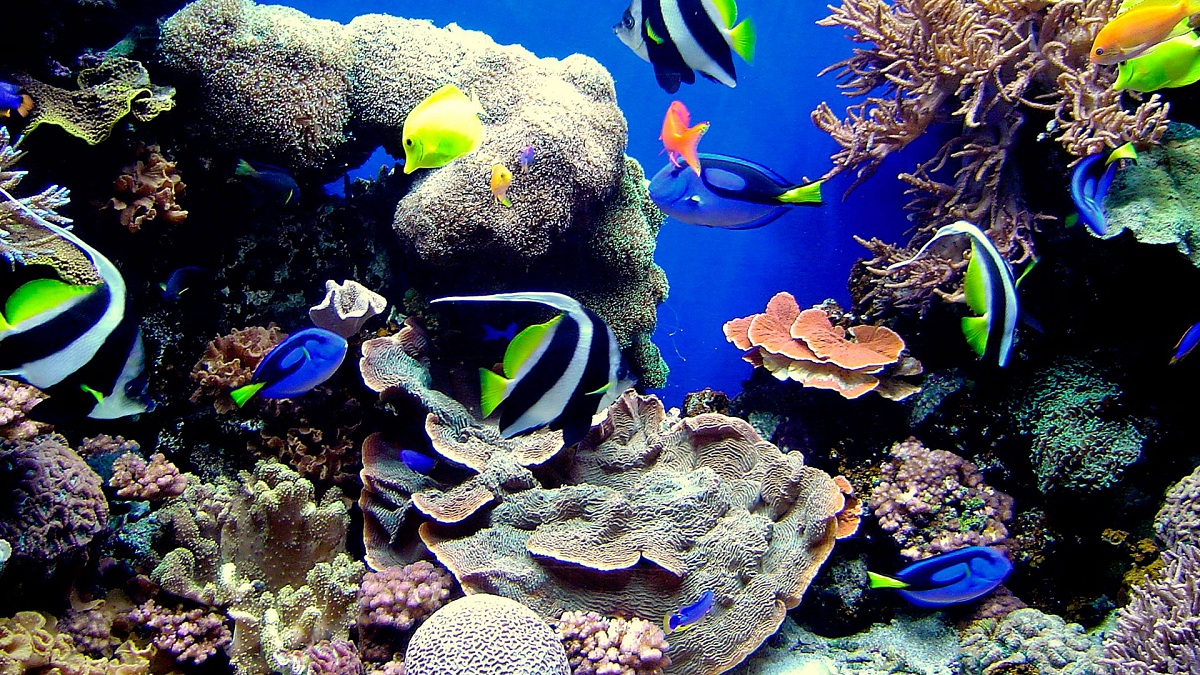
As we mentioned at the beginning of the article, aquariums are primarily distinguished between freshwater and marine aquariums. Freshwater aquariums contain animals and plants from freshwater habitats such as rivers, streams, and lakes. Marine aquariums, on the other hand, house animals and plants from the sea. The key difference between these two types of aquariums is the salinity of the water , since saltwater comes from the marine environment and requires a specific balance of salts and minerals.
Therefore, seawater is necessary to maintain the health of our fish. We can also include marine plants for decoration and to create ecosystems that closely resemble their natural state. It's crucial to remember that we must always strive to recreate natural conditions as closely as possible for our fish and other aquarium inhabitants.
A well-designed marine aquarium functions as a small, closed ecosystem , where biological filtration, water circulation, lighting, and nutrient supply work together to sustain life. Within marine aquariums, various biotopes can be recreated: tropical reefs, rocky areas, sandy bottoms, sheltered lagoons, etc., each with its own specific requirements.
It is important to understand that a marine aquarium is not just a container with salt water and fish, but a system in which very specific physical-chemical parameters (salinity, pH, hardness, nutrients, etc.) are involved and in which microorganisms play a decisive role in the stability of the whole.
Types of marine aquariums

As expected, there are different types of marine aquariums depending on the species to be kept and the aesthetic or biological goals of the hobbyist. Each type involves a different level of difficulty , specific equipment, and a different approach to the arrangement of the fauna and flora.
- Marine aquarium with only fish and invertebrates: They are the easiest to maintain and we will only have different species de peces and invertebrates such as shrimp, starfish, snails, and crabs, among others. This type of aquarium does not include demanding live corals, so parameter control is more flexible and the cost of lighting and additives is usually lower.
- Reef Marine Aquarium: are those aquariums that, in addition de peces and invertebrates, they also have various types of corals. These aquariums are more difficult to maintain, although they are more attractive to the hobbyist. To care for them properly, we will need a adequate lighting that allows for coral growth. In addition, it is necessary to maintain good water circulation and keep all water parameters well controlled depending on the types of corals we have.
- Aquariums with soft corals: They are easier to maintain because they are more resilient and do not require constant monitoring and addition of nutrients to the water. Their diet is primarily photosynthetic, although they also benefit from suspended particles. They are highly recommended for those who want to enjoy a reef without yet venturing into extremely delicate species.
- Aquariums with hard corals: These are the most complicated to maintain, as they require careful control of basic parameters to thrive. They need controlled levels of calcium, magnesium, and alkalinity, as well as very powerful and stable lighting. These aquariums are more sensitive to sudden changes, but visually spectacular when fully mature.
In addition to this classic classification, we can also talk about other complementary approaches :
- Mixed marine aquariums: They combine soft and hard corals, as well as fish and invertebrates from different areas of the reef. They require experience and careful planning to avoid incompatibilities and overloading the system, but they allow you to enjoy a great diversity of shapes and colors.
- Species-specific or biotope-specific aquariums: They focus on a specific group (for example, a tank for clownfish and anemones, or an aquarium dedicated to seahorses). These setups allow for precise adjustment of the parameters and the decoration of the natural habitat of those species.
- Marine aquariums for display: large urns designed as a centerpiece of a room or business, with a larger volume of water, advanced filtration systems and often automated control of many parameters.
Choosing the right type of aquarium depends on your experienceyour budget, the time you can dedicate to maintenance and the type of marine life that most appeals to you. Start with an aquarium. de peces and invertebrates, and over time, evolving into a reef is a very common and recommended progression.
Care of marine aquariums

To properly care for fish in a marine aquarium, we must consider various factors that affect water quality and the stability of the system. Failures in these areas are often the main cause of problems in new aquariums, so it's important to understand and address them from the start.
Parameters
Are the salinity levels, mineral content, water turbidity, amount of light, dissolved oxygen, water aeration, species de pecesetc. We must choose the specific values depending on the species we are caring for, but in general terms they are routinely monitored:
- Salinity or density: It is normally measured with a refractometer or hydrometer. For most marine reef aquariums, it is maintained around standard seawater values. Sudden variations stress fish and invertebrates.
- pH: This indicates acidity or alkalinity. Marine aquariums typically operate in a slightly alkaline range, and it's important to avoid sharp fluctuations between day and night.
- Calcium, magnesium and alkalinity: Essential for the growth of hard corals and other calcareous organisms. They are adjusted with specific additives or calcium reactors.
- Temperature: Normally stable within a suitable range depending on the tropical species we keep. Increases above that range or sudden drops can be very harmful.
- Nitrites, nitrates and ammonia: Products of the nitrogen cycle. Ammonia and nitrites should be kept practically at zero, while nitrates should be kept at low levels to avoid excessive algae growth and stress in invertebrates.
To keep these parameters under control, it is essential to have reliable water tests and to measure them regularly, especially in the first months of the aquarium's life and after any major changes (new inhabitants, modifications to the decoration, etc.).
Cycled

The cycling of a marine aquarium is simply a process of bacterial colonization . This process typically lasts about a month and must be respected completely so that the animals can live in good conditions. During this time, nitrifying bacteria establish themselves in the filter, on the live rock, and on all surfaces of the aquarium, transforming toxic ammonia into nitrites and then into nitrates, which are much less harmful.
Like all living things, fish produce waste. Without the bacterial colony, these toxic elements would accumulate continuously. Therefore, a bacterial colony is essential to fulfill a vital function . During this period, it's normal to observe spikes in ammonia and nitrites, as well as the initial appearance of algae; these shouldn't cause alarm as long as there are no animals present.
To be on the safe side, it's best to wait a little over a month to check the water quality before adding animals to the marine aquarium. It's highly recommended to introduce the first fish gradually , allowing the system to adapt to the new bioload and avoiding overpopulation in the early stages.
Temperature

Temperature is one of the most important variables to take into account in a marine aquarium. Depending on the species we have de peces We will need to have a higher or lower average temperature. For example, if we have de peces In tropical systems we will need a slightly higher temperature than in systems of species from more temperate waters.
For this, it is essential to have a thermometer that shows the aquarium's temperature at all times and, in most cases, an adjustable heater for the colder months. In very hot climates or poorly ventilated rooms, it may also be necessary to use surface fans or cooling equipment.
There are specific ventilation solutions for marine aquariums that, through evaporative cooling, help lower the water temperature by several degrees without the need for an expensive chiller. These systems typically use several small fans on ball bearings that provide a powerful and quiet airflow , adjustable to the edge of the aquarium.
Basic equipment for a stable marine aquarium
Besides parameter control, a healthy marine aquarium depends heavily on the [missing information - likely a specific element or system]. Although you can start with simple setups, it's important to know what the key elements are:
- Filtration system: It can be internal, a hang-on-back system, a sump with a drain to the cabinet, etc. The essential thing is that it offers good mechanical filtration (to retain particles), biological filtration (to house bacteria) and, in many cases, chemical filtration (activated carbon, resins, etc.).
- Protein skimmer: This device removes dissolved organic compounds before they decompose, improving water quality and oxygen levels. It is considered practically essential in aquariums with many fish or delicate corals.
- Power heads or circulation pumps: guarantee an adequate water mobilizationThey avoid dead zones and replicate natural ocean currents. Brands specializing in this field are focusing on pumps with electronic control and low energy consumption.
- Specific lighting: Corals and many symbiotic algae depend on quality light to perform photosynthesis. LED lights for marine aquariums allow you to adjust spectra, intensity, and photoperiods, with lower energy consumption and heat output than older technologies.
- Heater and, if necessary, cooling system: They maintain the temperature within the appropriate range throughout the year.
Choosing good equipment from the start is a way to avoid many problems in the future. You don't always need to go for the most expensive products, but it's advisable to opt for brands and models with a good reputation among enthusiasts and a reasonable price-quality ratio.
Are there marine aquariums for beginners?

There isn't really a marine aquarium specifically for beginners. Marine aquariums inherently present a higher level of difficulty compared to freshwater aquariums. However, keeping only fish and invertebrates in a marine aquarium can help you learn about their care without the added demands of corals.
If you're a beginner, it's best to avoid marine aquariums with corals, whether hard or soft . Ideally, start with a medium-sized aquarium with quality live rock and a simple but reliable filtration system. This way, you'll become familiar with cycling, water changes, testing water parameters, and feeding the fish.
In this initial phase, it's usually a good idea to choose fish known for their hardiness and adaptability, avoiding very delicate species or those with very specific requirements. It's also advisable to thoroughly research compatibility between species, as some marine fish can be territorial or prey on smaller invertebrates.
Commercial kits like the ones mentioned earlier, which include a tank, filtration, and often lighting, offer a suitable foundation for getting started without having to design the entire system from scratch. Later, with more experience, you can always progress to custom setups with advanced equipment.
How to make an inexpensive marine aquarium
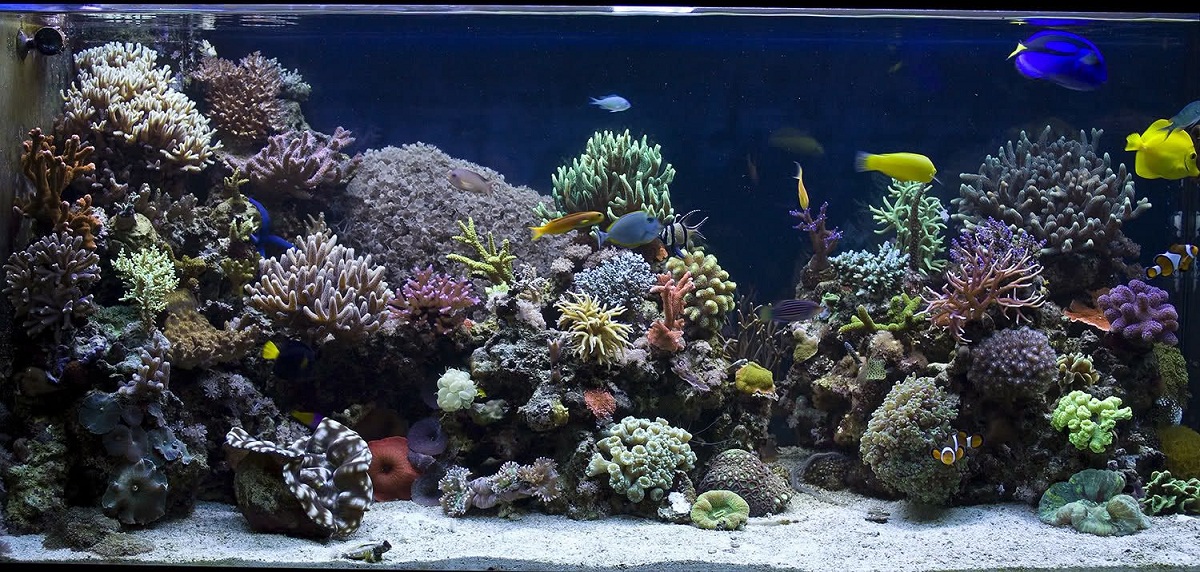
To make a marine aquarium more economical, we must consider a few factors. The first is to use large aquariums of between 250 and 300 liters to stabilize the environment and minimize the margin of error . In smaller aquariums, there isn't enough chemical stability, so even small oversights can lead to sudden changes.
It may seem like a contradiction, but often a slightly larger aquarium represents savings in the medium term : the life of the fish is longer, there are fewer losses due to instability, fewer corrective products are needed and the system responds better to unforeseen events.
We will only use species de peces with live rock and stones for aquariums. Avoiding demanding corals significantly reduces the costAn aquarium containing only fish and invertebrates can save you a lot of money compared to coral reef aquariums. You won't need to invest in extremely powerful lighting or calcium and trace element additives as often.

We will use LED light bulbs, which offer good quality at a low price. Energy efficiency and spectrum control are the main advantages to consider.
We can buy the necessary items and materials secondhand, but we must be careful. Some people try to take advantage of others and end up selling worn-out equipment to novices, equipment that can no longer perform its intended function. It's always important to proceed with caution when buying used items, but only from reliable sources . These sources could be fellow enthusiasts, trustworthy local dealers, or a thorough inspection of the equipment beforehand, ideally with someone knowledgeable about the subject.
It is especially important to check the condition of elements such as circulation pumps, skimmers, lighting fixtures, and glass or acrylic tanks, ensuring there are no cracks, rust, or broken components that could compromise the overall safety of the system. Checking for cracks and rust can prevent serious and costly problems.
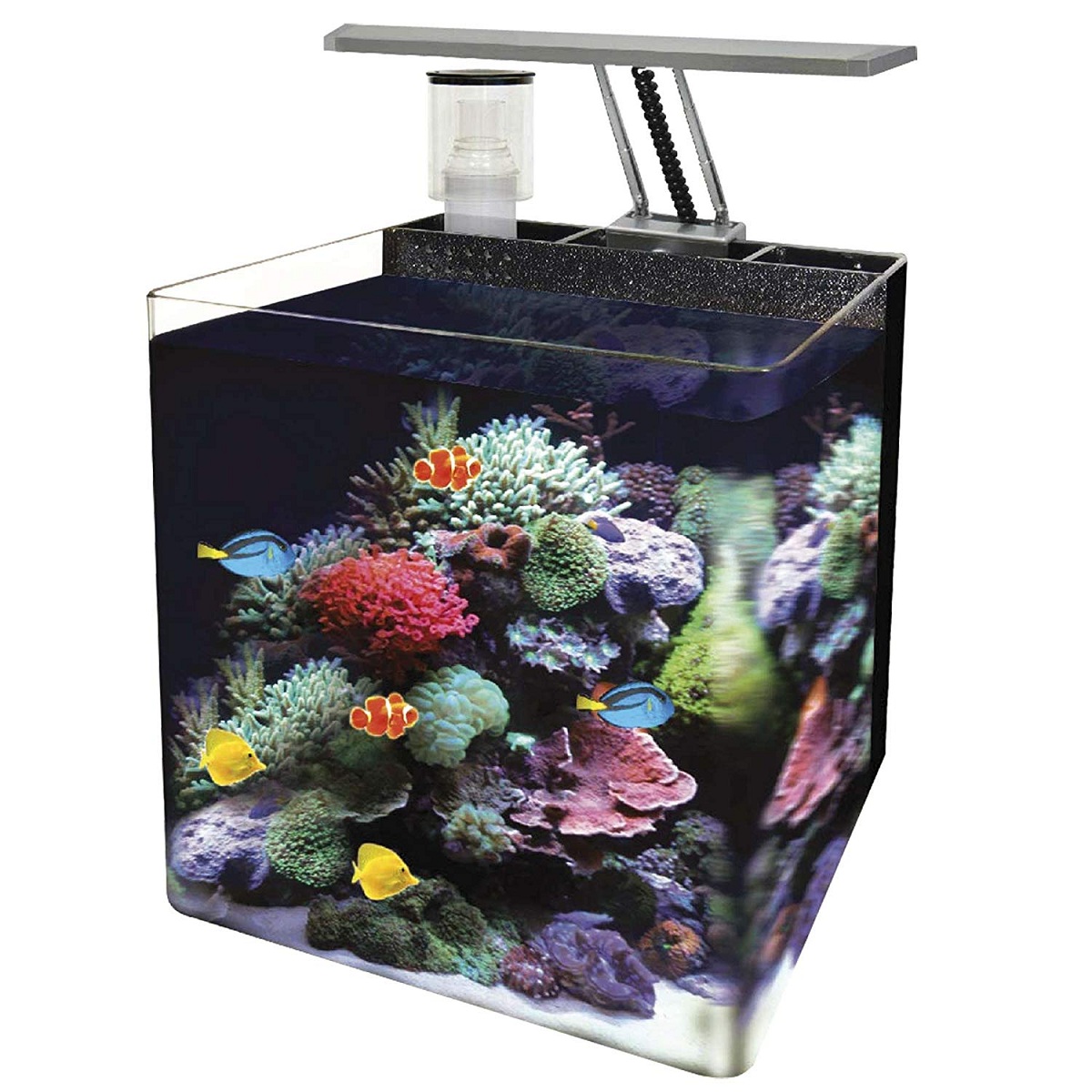
Having the essential equipment is necessary if you're going to have a state-of-the-art aquarium . Automating the entire system as much as possible is necessary if you want to save money in the long run, since automation prevents common human errors (overfeeding, forgetting to top up evaporated water, etc.).
Some people prefer to invest a little more time in the maintenance and care of their marine aquarium animals in order to reduce costs by using low-tech equipment . However, the ideal is to use equipment that can meet basic needs with a relatively low investment: simple temperature controllers, timers for lights and pumps, or automatic reverse osmosis water top-off systems.
Buying the equipment that best suits our budget is the best option. It's probably the best advice you can give a hobbyist. Cheaper equipment tends to degrade quite quickly . This means it has a very short lifespan, and we'll end up spending more money constantly replacing it.
Therefore, we shouldn't focus solely on the cheapest brands on the market, but neither should we focus only on the most expensive. It's best to compare opinions from other enthusiasts and not be guided solely by advertising.

In addition to saving on the initial purchase, an economical marine aquarium is also built by optimizing monthly maintenance costs : using good value sea salt, performing regular water changes to reduce the need for additives, choosing suitable fauna that does not require highly specialized feeding, and monitoring the electricity consumption of pumps and lights.
Many hobbyists discover that a well-planned marine aquarium, with efficient equipment and a structured routine , can not only be maintained affordably, but also offers a very rewarding experience. Observing the development of a small ecosystem, watching the fish grow, and, if desired, later adding corals, will more than compensate for the effort invested.
I hope this information helps you learn much more about marine aquariums , their types, essential care, and available equipment options so you can set up a stable system tailored to your budget and experience level. Starting off on the right foot, getting informed, and progressing step by step is the best way to enjoy your own little corner of the ocean at home for years to come.
