

You might have an aquarium and not know exactly what to feed your fish. There are thousands of different types of fish food . Each has different ingredients and characteristics that make it more suitable for some species than others. In this article, we'll detail the best fish foods depending on the variety of species they benefit, explaining what types of food are available , how to combine them, and how to choose the right food for your fish and aquarium.
If you want to know how to properly feed your fish, you can find everything here: types of food , recommended brands , feeding frequency , mistakes to avoid, and practical advice for cold-water, tropical, pond, betta, and community aquarium fish.

Types of fish food and how to choose the most suitable one
Before getting into specific brands and products, it's important to understand the different formats of fish food available on the market. Choosing the right format influences ease of digestion , feeding behavior , and even the water quality in the aquarium.
Flake fish food
Flake food is one of the most popular choices for home aquariums . It's often the staple food for many freshwater fish: goldfish, community tropical fish, guppies, platies, mollies, and so on. The flakes initially float, but over time they become damp and begin to sink.
- main advantages: it's a format very easy to dose, economical and available in specific formulas for herbivores, carnivores y omnivores.
- Ideal forFish that feed mainly on the surface or Middle area of the aquarium.
- PrecautionsIf you add too many flakes, they disintegrate quickly and can pollute the waterincreasing nitrates and causing health problems.
Granulated food (pellets and sticks)
Granules and pellets are small, compact balls of food that, depending on the type, can float, sink slowly, or go straight to the bottom. Many specialized products from well-known brands use this format because it allows for a higher concentration of nutrients per volume than flakes.
- AdvantagesThe granules dissolve more slowly, so the fish can feed at their own pace and less food is wasted. Furthermore, there are very precise formulas for betta, cichlids, bottom fish and other specific species.
- Ideal for: larger fish or species that prefer to eat in intermediate levels or at the bottom of the aquarium.
- PrecautionsAlways choose a pellet size adapted to the mouth of your fish to prevent choking or them not being able to eat properly.
Live fish food
Live foods, such as mosquito larvae , daphnia , bloodworms , or small shrimp , provide a very natural experience. They stimulate the fish's hunting instinct , increase their activity, and, in many cases, intensify their colors.
- Nutritional benefitsThey tend to be very rich in proteins and they promote growth, especially in juvenile fish or carnivorous species.
- RisksIf they are not properly controlled, they can introduce parasites o bacteria in the aquarium, therefore they require experience and good handling.
- Recommended use: as occasional complementnot as the only food, so as not to unbalance the diet.
Frozen and freeze-dried food
Frozen foods (larvae, brine shrimp, daphnia) and freeze-dried foods are a convenient and safe alternative to live food . They retain most of their nutrients and are easy to store.
- Frozen food: keeps very well the proteins and fatty acids. Must be defrost and rinse slightly before offering it so as not to deteriorate the water quality.
- Freeze-dried foodIt has been dehydrated to preserve its nutrients. It's very practical because it can be stored at room temperature and lasts for quite a while. Although some experts indicate that it may be slightly less nutritious than frozen, it is still a good source of nutrients. excellent complement.
- suitable frequencyUse it several times a week combined with quality dry food to add variety to the diet.
Complementary natural and vegetable foods
Many omnivorous and herbivorous fish appreciate the inclusion of natural ingredients as part of their diet.
- Blanched vegetablessmall portions of zucchini, spinach o skinless peas They can be an excellent source of fiber to prevent digestive problems.
- Algae and spirulina: are rich in Vitamin C and other minerals, ideal for herbivorous fish in both freshwater and saltwater.
- Homemade foodSome advanced aquarists prepare mixtures of vegetables, seafood, and gelatin. It's a highly personalized option, but it requires... knowledge y strict hygiene.
How to identify quality fish food
When choosing the best fish food according to the type of fish and aquarium, not only the format matters, but also the quality of the ingredients and the nutritional balance.
- Proteins of animal origin: aims to ensure that the first positions on the ingredient list include fish flour, shrimp or other quality animal sources. They are essential for the for Growth and tissue regeneration.
- Healthy fats: they contribute Energy and help absorb fat-soluble vitamins. An adequate level of fats is key for the fish to stay healthy. asset and in good physical condition.
- Vitamins and minerals: vitamins such as A, C y E reinforce the immune system and overall health. Minerals help with proper metabolic function.
- Natural ingredientsPrioritize foods that reduce the use of artificial preservatives and unnecessary colorants. A more natural formulation usually translates into better long-term health.
- Nutritional balanceA good fish food combines in a balanced way. proteins, fat, carbohydrates, fiber y micronutrientsThis is essential to avoid deficiencies or excesses.
Goldfish fish food
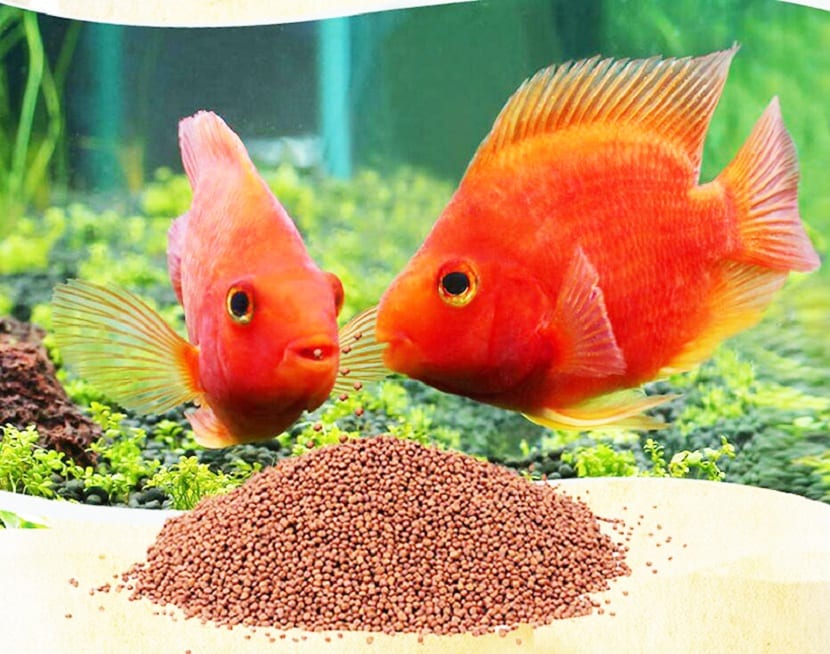
If you have a cold-water aquarium, this type of fish food is one of the best you can use. It offers good value for money, and the container is quite large. Other fish food containers come in smaller sizes, making it difficult to scoop the food out and feed the fish. With this larger container, you can easily scoop the food and feed them effortlessly.

The food is flake-based, making it easy to digest and preventing digestive problems. The flakes are made entirely of natural ingredients, with no harsh chemicals added. This provides the fish with enough energy to swim freely and feel full for a long time. With this food, they will enjoy good health and a beautiful color.
Don't forget that this food is only recommended for cold water fish. Variety is the best de peces Goldfish, which have a sensitive digestive system and need a diet somewhat richer in vegetable fiber To avoid problems like abnormal buoyancy, you can combine these flakes with small portions of blanched vegetables (such as shelled peas) to further improve digestion.
It's important to feed goldfish small amounts several times a day so they don't overeat at once. Continuous overfeeding can lead to obesity and increased waste in the water. You can buy it by clicking here.
Fish food Sera Flocken

This type of food is designed for people who have a diverse aquarium with various species . If you have a variety of fish, this mixed flake food will be very beneficial. It will be especially helpful for feeding tropical fish, which require a specific diet.
When you open the pot, you will see that there are 4 different types of scales. Each of the colors is a different ingredient. This is quite useful, because with a single jar of food, you can feed different species de peces They will eat the variety they like the most.
It is highly recommended for both warm-water and freshwater fish such as tetras, barbs, guppies, platies, and mollies. It is not recommended for larger freshwater fish, which generally prefer more substantial pellets. As a balanced food, it helps maintain healthy growth , vibrant colors , and active behavior in the community aquarium.
To get the most out of this food, you can alternate it with frozen or freeze-dried food (such as brine shrimp or daphnia) a few times a week. This variety improves the protein intake and prevents the fish from getting bored with their diet . Buy it at a great price here.
Sera granulated fish food

Here we have another type of fish food that encourages your fish to eat a wide variety of foods. It's a great option because you can combine flakes with granules. This type of food keeps fish entertained for longer . Furthermore, it better simulates their natural feeding environment, since in the wild fish have to eat this way, chasing small particles that sink slowly.
This brand's granules are composed of various nutritional components that will ensure your fish stay healthy . Providing good nutrition is essential for fish to avoid illness. Many fish, when malnourished, are susceptible to fungal and bacterial infections, sometimes leading to serious and fatal diseases.
This product's formula stands out because of its high mineral and vitamin content . This allows it to mix perfectly with carbohydrates and proteins. The ingredient percentages are balanced to ensure that fish receive all the necessary nutrients . Its granular form makes it suitable for surface-feeding fish as well as those that feed at mid-levels or at the bottom.
It's ideal for community aquariums with a variety of tropical fish and for those who want a main food source other than flakes. You can adjust the amount according to the size of your fish, ensuring the pellets don't go uneaten for too long. Here , you can purchase it at an affordable price.
Tetramin tropical fish food
No products found.
If your fish are tropical species or you plan to acquire some, you should know that they fall under the category de peces that require a more precise careTherefore, feeding is an important aspect to consider, and you should provide the best if you want the aquarium to thrive.
This food is one of the best options for tropical fish. It's made with delicious flakes that fish love and that provide them with everything they need to stay healthy and strong. Other brands can make fish weaker, hungrier more often, or less active. When you start feeding your fish this brand, you'll definitely see them much happier and more active.
Fish can easily become ill if their food or water quality is poor. To prevent illness, it's best to buy high-quality, brand-name fish food and adjust the portion size accordingly. This brand helps fish develop vibrant colors , as it contains all the necessary nutrients for good health. Furthermore, the flakes are formulated to be highly digestible , reducing waste and helping to maintain better water quality.
It's an excellent base for fish like neon tetras, guppies, platies, mollies, rasboras, barbs, and many other tropical freshwater species. You can supplement it with frozen or freeze-dried food once or twice a week for extra protein. Buy it by clicking here.
Pond fish food
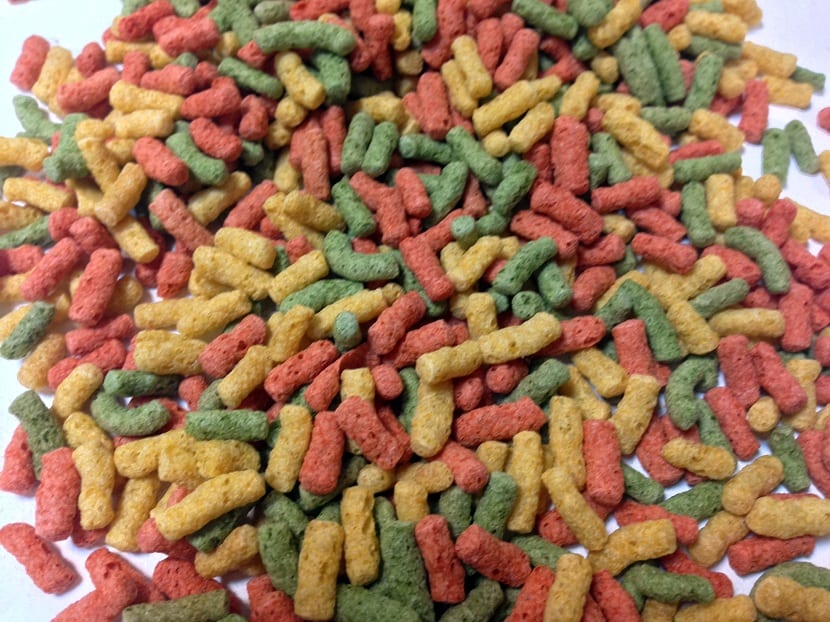
Tetra Pond Sticks are formulated for pond fish . These fish need to be stronger because they must withstand some of the most extreme environmental conditions outdoors: temperature changes, rain, direct sunlight, etc. Therefore, their food must provide all the necessary nutrients to keep them healthy and give them all the energy they need to thrive in this more challenging environment.
If you need to buy some, this is a very good option. It's quite easy to feed . The great thing about this brand is that the fish are quite entertained while eating it. This is because, when you pour it in, the fish think they're insects that have fallen in. So, they don't just go straight for them, but they also unleash their hunting instincts to stalk and attack them.

On the other hand, it also has good flavor and quality. These aspects must be positive in a diet de pecesso that they can develop and remain healthy for as long as possible. Despite being a high-quality food, the price is quite affordable. This makes it a better alternative to other pond sticks.
In colder weather, it's advisable to reduce the amount of food and choose formulas with lower protein content, as the metabolism of pond fish slows down. During warmer months, you can offer a larger portion to support growth and activity. You can buy it here at a good price.
Dajana Betta fish food

This type of food, as its name suggests, is used to feed betta fish. It is a suitable food for all types of fish. de pecesBut it's especially suitable for bettas, as it has been adapted for them. Bettas are fish. carnivores that in nature they eat mainly small invertebratesTherefore, they need a diet rich in quality protein.
Dajana Betta food typically comes in the form of small granules or pellets that are easy for them to swallow. It helps maintain healthy fins and vibrant colors , while also providing enough energy for their active and curious behavior.
If you have several different species, the other fish will also thrive on this food, provided the pellet size is appropriate for them. However, it's recommended to use this product as the primary food for bettas and as a supplement for other species, combining it with flakes or granules specifically formulated for community aquariums.
Remember not to overfeed your betta: its stomach is very small, and it's recommended to give it only the amount it can eat in about two or three minutes , once or twice a day. Get one here.
Frequency and quantity: how many times a day should the fish be fed
Feeding frequency varies depending on the age of the fish , their species , and the type of food you use. However, you can follow some general guidelines to maintain a balanced diet without compromising water quality.
- Adult fishMost species benefit from being fed once or twice a dayin small quantities.
- Fry or young fishThey need to eat more frequently, some three or four times a dayalways in very small portions to ensure growth without saturating the aquarium.
- Pond fishIn warm seasons, food can be given daily, while in cold seasons the frequency and quantity should be significantly reduced.
A very practical rule is to offer only the food that the fish can consume in 2-3 minutes . If visible remains after that time, it's a sign that you're giving them too much food and should reduce the portion.
Common mistakes in fish feeding
Even with good fish food, there are common mistakes that can compromise the health of aquarium inhabitants.
- Administering too much foodThis is one of the most frequent problems. Excess uneaten food settles to the bottom and decomposes, generating ammonia, nitrites y nitrates that deteriorate water quality.
- Do not change your dietAlways offering the same dry food can cause nutritional deficienciesIntroducing frozen, freeze-dried, or vegetable foods occasionally greatly improves the nutritional profile.
- Using expired foodOver time, vitamins and nutrients degrade and food loses quality. Check the expiration date and store the boat in a place dry and fresh.
- Not adapting to the species: giving the same food to all fish without considering whether they are herbivores, carnivores u omnivores It can cause digestive and health problems.
- Ignore the size of the mouthFry and small fish need finer or crushed food to be able to eat without difficulty.
Tips for choosing the best food according to the species and the aquarium
To choose the best fish food according to the type of fish and aquarium, it is advisable to analyze several key factors: the species , the size , the feeding habits and the level of the aquarium in which they feed (surface, middle zone or bottom).
- BettasThey require a diet rich in proteinsBased on small invertebrates or larvae. Specific pellets (such as Dajana Betta) are a very good option, occasionally supplemented with frozen brine shrimp or bloodworms.
- Guppies and community fishThey are omnivorous and can consume quality flakes such as Sera Flocken or Tetramin, supplemented with some vegetable (spirulina, zucchini) and small portions of frozen food.
- bottom fishSpecies such as Corydoras or loaches need tablets or pellets that sink quickly to the bottom, as they rarely rise to the surface to feed.
- Pond fishThey benefit from nutrient-rich floating sticks that allow them to withstand environmental changes and maintain a strong immune system.
Whenever possible, learn about the natural diet of each species you keep in your aquarium. This will allow you to select food that more closely matches their actual needs, improving their health and behavior.
With a good choice of food, a proper feeding routine , and correct water quality management, your fish can enjoy a long, active life with intense colors, turning your aquarium into a truly balanced and healthy ecosystem.