

The blobfish ( Psychrolutes marcidus ) is one of the most unique and fascinating creatures of the deep sea. Its unusual appearance and surprising adaptations have captured the curiosity of both scientists and the general public, leading it to be known as the ugliest animal in the world . However, behind its peculiar appearance lie remarkable biological aspects and an evolutionary history of survival in one of the most extreme habitats on the planet, making it a true treasure of the deep ocean.
What is the blobfish?
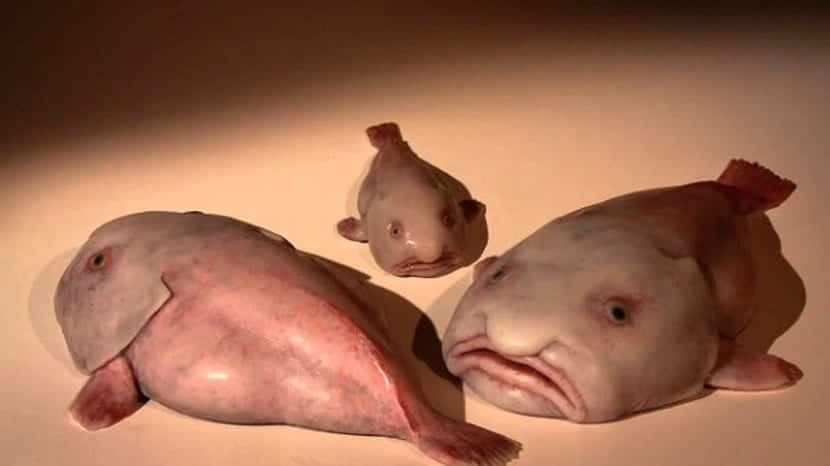
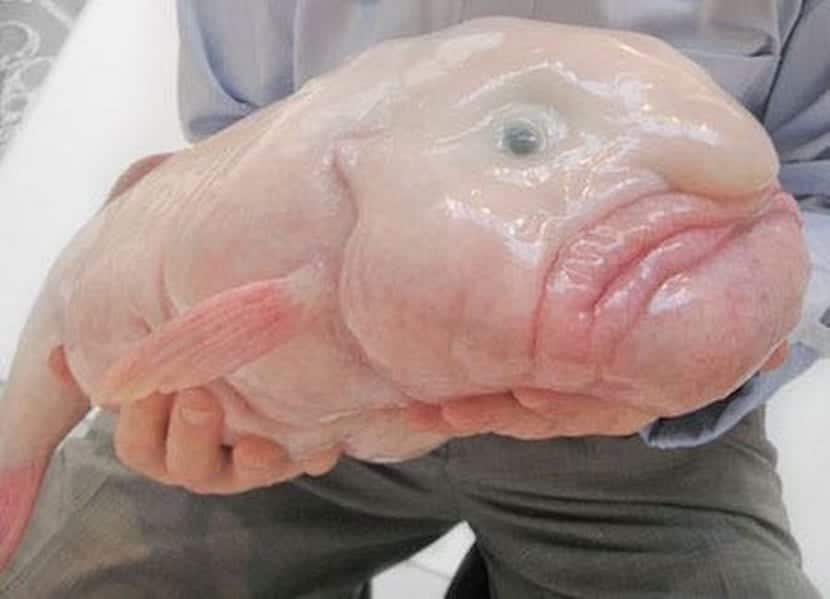
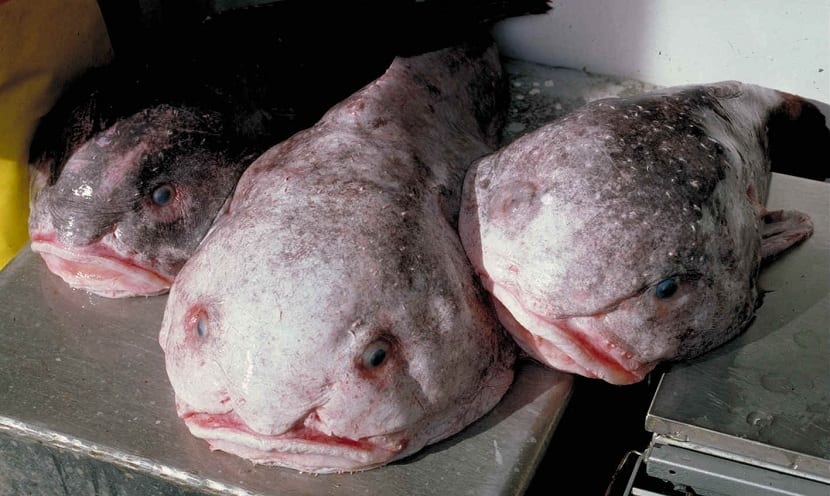
The blobfish ( Psychrolutes marcidus ), also known as the blobfish, belongs to the Psychrolutidae family, commonly called fathead fish. Other names, such as janaira, are also used to identify this species in different regions. In its natural habitat, this fish has a much more conventional shape underwater , but when brought to the surface, its body becomes dramatically deformed due to the extreme pressure differences between the seabed and sea level. It is precisely this loss of shape out of the water that has made its image famous and viral.
Its gelatinous appearance, with a large head, prominent snout, and "sad" expression, is part of a key adaptation to its hostile environment. Its flesh is lighter than water, with light bones, few muscles, and no swim bladder —essential characteristics for buoyancy under high pressure . It ranges in size from 30 to 38 cm in length and lacks robust bones or teeth, relying on a rather passive but effective lifestyle to survive in the depths.
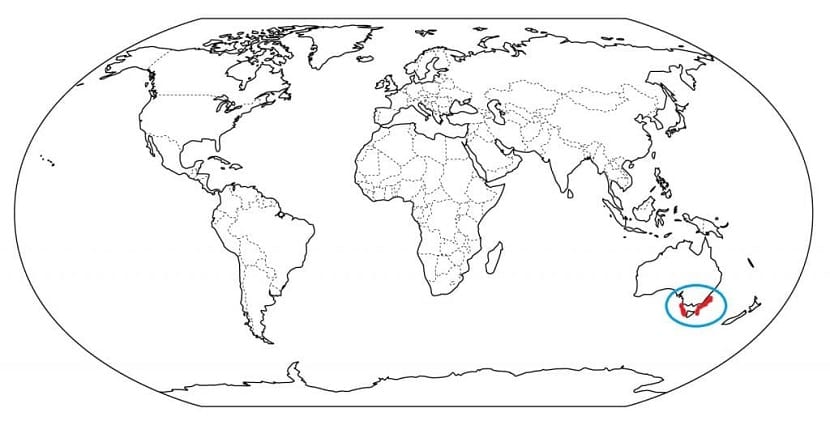
Habitat and distribution of the blobfish

The blobfish's natural habitat is one of the most inhospitable on the planet. It is found primarily in the deep ocean off the coasts of Australia and Tasmania, and also around New Zealand. It is a benthic species , meaning it lives on the seabed, specifically in areas between 600 and 1.200 meters deep , although some reports indicate findings at depths from 400 to 1.700 meters. In these locations, the pressure is extremely high, around 100 times that at sea level, and the temperature is very low (generally 2 to 9 °C).
This region, due to its difficult access, has considerably limited the collection of information and observations about the species, adding an aura of mystery and scientific fascination. Furthermore, its distribution area is considered endemic , restricted to the southern waters near Tasmania, as well as certain areas of New Zealand. Studies conducted in areas such as Broken Bay, off the coast of New South Wales, confirm the species' continued presence in these sections of the ocean floor.
Part of the Psychrolutidae family, which includes more than 30 species and 8 genera, the blobfish shares adaptive similarities with other deep-sea fish, although the species Psychrolutes microporos also inhabits nearby regions.
Main features and adaptations
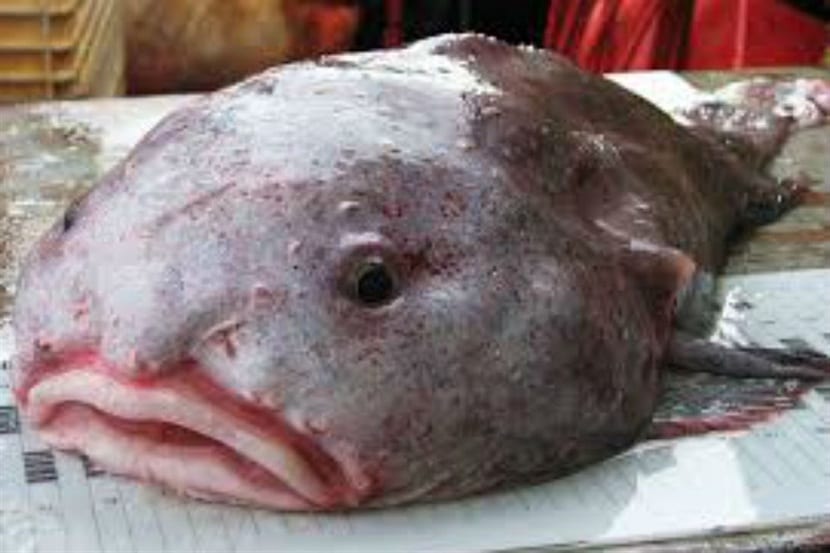
The blobfish's unique characteristics extend far beyond its fame. Its physiology is perfectly adapted to the extreme conditions of the deep ocean . Some of its main features include:
- Gelatinous body and density: Its flesh is a jellyfish-like mass, less dense than the surrounding water, which allows it to float without expending energy swimming, an essential feature when oxygen is scarce and energy must be saved as much as possible.
- Minimalist bone structure: It has a skeleton composed of light and soft bones, and they do not have a strong backbone or large muscles, which limits their ability to move quickly but makes them experts at expending minimal energy.
- Absence of swim bladder: Unlike most species de pecesThis organ does not exist in the blobfish, as it would collapse under the pressure and endanger the survival of the species. Instead, organs and cells filled with water help maintain neutral buoyancy.
- Large head and "humanoid" appearance: The disproportion between head and body is noticeable, large head, eyes placed at the corner of the nose and a large, hanging, rounded nose.
- Without teeth or powerful muscles, which determines their way of eating and their behavior.
- Cream coloring and a gelatinous texture that is described as unpleasant to the touch.
It's important to note that this peculiar appearance is exacerbated when the fish is removed from the water, as the pressure at the surface is not sufficient to maintain its body structure. Thus, the blobfish's famous "face" is only visible outside its ecosystem, but in deep water, its appearance is much more similar to that of other deep-sea fish.

Behavior and adaptation to abyssal life
The blobfish embodies lethargy and energy conservation as a survival strategy . It lives in environments where sunlight doesn't reach , the pressure is overwhelming, and the temperature barely rises above freezing. Therefore, it has developed a calm and leisurely demeanor, moving slowly without expending energy on chases or active hunting. Instead of swimming vigorously, it usually floats placidly along the seabed and waits for food to come within reach—an extremely efficient way of life in the overwhelming solitude of the ocean trenches.
These fish are very difficult to observe in their natural habitat, and what little is known about them has been inferred from accidentally captured specimens and by comparison with other psychrolutid species. Their body structure makes them unable to survive outside the pressures of their habitat, which is why they are rarely studied in the laboratory without suffering serious decompression sickness.

Feeding the blobfish
Its diet reflects its passive lifestyle. The blobfish is an opportunistic feeder , consuming any edible matter that floats near its mouth. Its diet includes:
- small crustaceans deep waters.
- Molluscs that rest or move along the seabed.
- Sea urchins and others invertebrate organisms that make up the scarce but vital abyssal biomass.
- Any type of suspended organic material that can be absorbed and digested.
It has no teeth or chewing structures, which isn't a disadvantage thanks to a powerful digestive system capable of absorbing and breaking down a wide variety of nutrients. This passive feeding method is essential in areas with very little competition and food scarcity, allowing it to survive with minimal resources and low physical activity. It only slightly moves its fins and sucks up everything that passes within reach of its mouth. Therefore, it depends heavily on the abyssal ecosystem and the integrity of the seabed, its only "laundry."
Reproduction and life cycle
The reproductive cycle of the blobfish remains enigmatic due to the difficulty in studying it in depth. What is known is that it is an oviparous species that lays its eggs on the seabed . Among the most curious behaviors observed are:
- La female lays several thousand eggs, pink in color, in exposed areas of the ocean floor.
- Both parents They cover the eggs with their body to protect them, a behavior that is unusual among deep-sea fish and reminiscent of that of certain seabirds.
- The Parents guard and watch the eggs until hatching, which helps minimize predator attacks, since in the abyssal depths there are not many possibilities for camouflage or natural cover for the nest.
When the young are born, the adults remain with them for a few additional days, offering exceptional protection in such exposed environments devoid of shelter. The reproductive biology of the blobfish continues to be the subject of research.
Threats and conservation of the blobfish
Despite being found at great depths and in almost inaccessible environments, the blobfish is not exempt from threats, mainly derived from human activity :
- Deep-sea trawling: Although they are not fished for commercial purposes, trawl nets targeting species such as lobster or abyssal cod end up accidentally capturing numerous specimens of blobfish, a situation known as bycatch.
- Displacement outside its natural habitat: Simply bringing the blobfish to the surface causes irreversible changes in its physiology, as its body structure and internal organs cannot withstand the sudden drop in pressure, leading to its death in a short time.
Its vulnerable status has been recognized by international conservation organizations. While a lack of specific data prevents quantifying its decline, the threat is ever-present due to the frequency of industrial fishing in areas within its range. Some fishing fleets from Australia and New Zealand continue to operate intensively in these waters, increasing the risk to the few remaining blobfish and the stability of their ecosystem.
In popular culture, the iconic image of the blobfish has transcended the scientific realm to become a fixture in video games, memes, television programs, and conservation campaigns, serving as an emblem for the protection of little-known species vital to the balance of the deepest marine ecosystems.
Media attention has also encouraged institutions and experts to seek alternatives to bottom trawling and to raise awareness about the importance of conserving deep-sea biodiversity, one of the most valuable and threatened ecosystems on the planet. Much remains to be discovered about the blobfish, as the inaccessibility of its environment limits direct research. Nevertheless, each finding reveals the incredible complexity and resilience of life in extreme conditions, dispelling myths about the ugliness of this animal and underscoring its importance in the ocean's food chain. Protecting the blobfish helps preserve the fascinating diversity and fragile balances that reign in the mesopelagic and abyssal zones, where life continues to find surprising ways to survive and evolve.

Table of Contents